Back to Articles
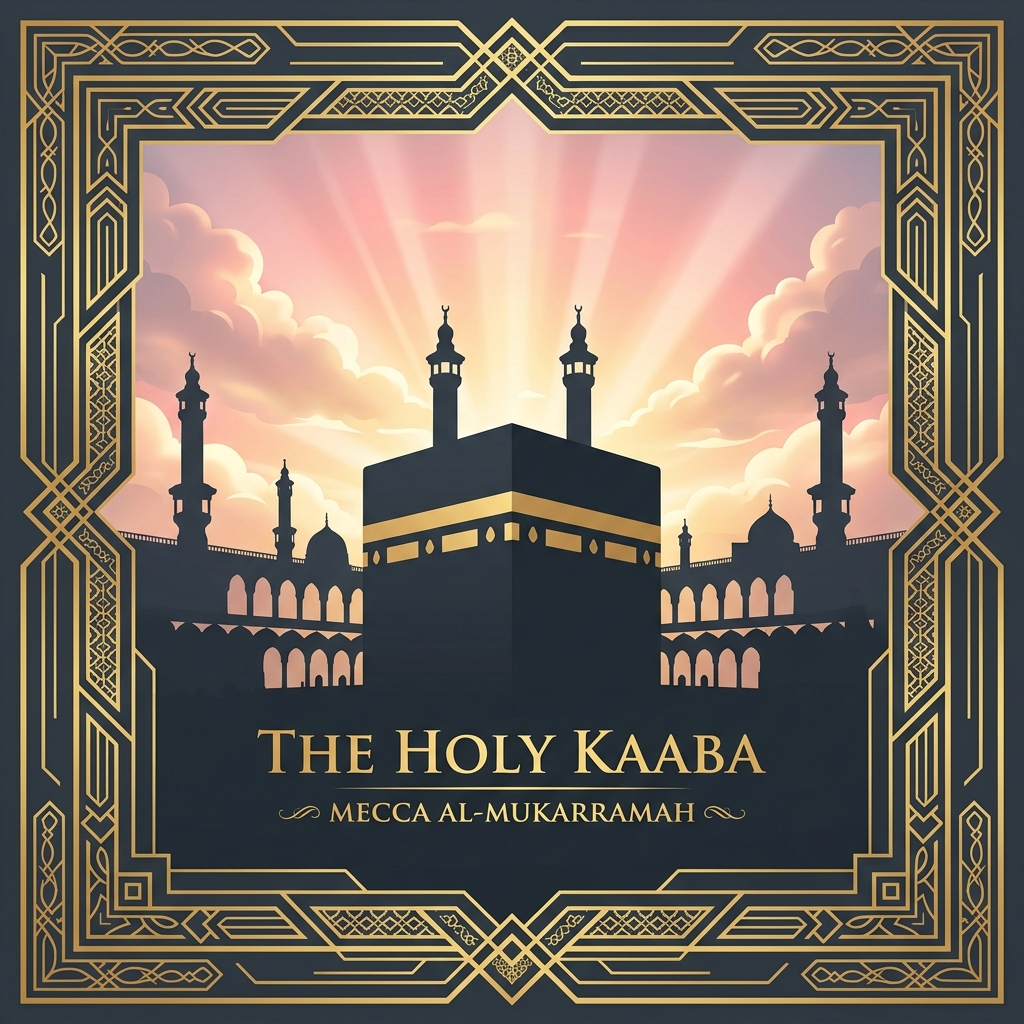
The People of the Elephant: The Sanctuary Protected by Ababil
Listen to Article
Listen to the full text of this article
Speed:
An emotional exploration of the year of the Prophet’s birth, the arrogance of Abraha, and the divine defense of the Kaaba by tiny birds.
### Introduction: The Hubris of the King
In the sixth century CE, Yemen was ruled by a Christian governor named Abraha, representing the Kingdom of Aksum. Abraha constructed a magnificent cathedral in Sana'a, named *Al-Qullays*, aiming to redirect the Arab pilgrimage from the simple, stone Kaaba in Mecca to his grand cathedral.
However, the Arabs remained loyal to the Kaaba built by Ibrahim (AS). When an Arab from the Kinanah tribe entered the cathedral and defiled it to express his contempt, Abraha was enraged. He swore an oath to march to Mecca and pull down the Kaaba stone by stone. He assembled a massive army of twenty thousand soldiers, led by a giant war elephant named *Mahmud*.
---
### The Calm Trust of Abdul Muttalib
As the army approached Mecca, the Meccans felt completely helpless against the military power of Abraha. They fled to the mountains, leaving the city deserted.
Before fleeing, the grandfather of the Prophet (PBUH), Abdul Muttalib, who was the custodian of the Kaaba, went to confront Abraha to demand the return of his two hundred camels that the invading army had confiscated.
Abraha, surprised, asked: *"You speak to me of your camels, while ignoring this house of worship which represents your religion and which I have come to destroy?"*
Abdul Muttalib replied with words of profound faith and detachment:
> *"I am the owner of the camels. As for the House (the Kaaba), it has its own Lord who will protect it."*
> — **Tafseer Ibn Kathir**
---
### The Rebellion of the Elephant and the Ababil
The next morning, Abraha prepared his army to enter Mecca. He directed the great elephant, Mahmud, to charge toward the Kaaba.
But as the elephant was faced toward Mecca, it knelt down, refusing to move. They beat it, but it stood firm. When they turned it toward Yemen, Syria, or Egypt, it would stand up and run; but the moment they faced it back toward the Kaaba, it knelt down.
While they were struggling with the elephant, the sky grew dark. A massive flock of small, dark birds—identified in the Quran as *Ababil*—arrived from the direction of the sea.
Each bird carried three tiny stones of clay—one in its beak and two in its claws, each stone no larger than a lentil. The birds flew over the army and dropped the stones.
Though small, the stones struck the soldiers with bullet-like force, piercing through their armor, flesh, and bone. The army was thrown into absolute panic, as the soldiers fell dead one after another. Abraha’s body began to rot as he fled, dying a painful death before reaching Yemen. The Quran describes their condition:
> *"And He made them like eaten straw."*
> — **Surah Al-Fil, 105:5**
---
### Deep Spiritual Explanation & Real-Life Significance
The story of the Elephant shows us that no human force is too powerful for the army of Allah. Allah did not use angels or massive thunderbolts; He defeated a proud army of war elephants using tiny, fragile birds carrying pebbles.
**Real-Life Example:**
A small community or an individual is targeted by a powerful, wealthy corporation or a corrupt system designed to destroy their livelihood and home. By keeping their trust in Allah and acting with dignity, they witness the powerful opponent collapse from within due to a minor, unexpected audit or scandal—a modern-day "pebble of Ababil" that level the playing field.
---
### Authentic References
1. **Quranic Reference:**
*"Have you not seen, [O Muhammad], how your Lord dealt with the companions of the elephant? Did He not make their plan go astray? And He sent against them birds in flocks..."*
— **Surah Al-Fil, 105:1-3**
2. **Hadith Reference (Bukhari):**
During the Conquest of Mecca, the Prophet (PBUH) stood before the people and said: *"Indeed, Allah held back the Elephant from Mecca, and He has given His Messenger and the believers authority over it."*
---
### Practical Lessons for Daily Life
1. **Place Ultimate Trust in Allah:** When facing situations beyond your control, remember Abdul Muttalib's calm: *"The House has a Lord who will protect it."*
2. **Never Underestimate Small Means:** Allah can use the smallest, most fragile creatures to bring down the proudest tyrants.
3. **Respect the Sanctities of Allah:** Guard your respect for the Kaaba, the mosques, and the symbols of faith.
---
### Frequently Asked Questions
* **Q: Why is this year called the Year of the Elephant?**
* **A:** It was called *Aam al-Fil* (the Year of the Elephant) due to this historic invasion, and it is the same year in which the Prophet Muhammad (PBUH) was born.
* **Q: Were there other elephants in the army?**
* **A:** Yes, while Mahmud was the primary elephant, historical reports suggest there were between 8 to 13 other elephants in the army.
* **Q: What is the meaning of "Sijjeel"?**
* **A:** *Sijjeel* refers to stones of baked, hardened clay, fired in the heat of Hell.
---
### Conclusion
The story of the People of the Elephant is a timeless reminder of the sovereignty of Allah. It assures the believers that the sanctuaries of faith are protected by a divine guard, and that pride is guaranteed to end in destruction.
---
### Further Reflections & Spiritual Depth
The destruction of Abrahah's army shows that physical power and technology are weak before the divine plan. The Kaaba is a protected sanctuary, and its preservation is guaranteed by the Lord of the worlds. This story encourages us to remain steadfast, knowing that justice eventually prevails.
---
### Additional FAQs and In-Depth Answers
* **Q: What was the year of this event called?**
* **A:** It was called the "Year of the Elephant," which is also the year the Prophet Muhammad (PBUH) was born in Mecca.
* **Q: How did Abdul Muttalib react to Abrahah's threat?**
* **A:** He calmly demanded his stolen camels back, stating that he was the owner of the camels, while the Kaaba had its own Lord who would protect it.
---
### Practical Daily Life Action Plan
1. **Trust in Divine Protection:** When facing powerful oppressors or systemic injustices, strengthen your connection to Allah, knowing that He can defeat the strong with the weak.
2. **Honor the Sanctity of the Kaaba:** Build a deep spiritual connection with the Holy Sanctuary by studying its history, making Duas, and performing Umrah/Hajj when able.
3. **Reflect on the Year of the Elephant:** Meditate on how the birth of the Prophet (PBUH) brought immediate mercy and relief to a vulnerable land, showing the beauty of his coming.
Comments (2)
FA
JazakAllah Khair for sharing this. We often forget that what seems like a hardship is actually a hidden mercy from Allah.
Loading comments settings...
SubhanAllah, this beautifully explains the depth of divine wisdom. Truly eye-opening!